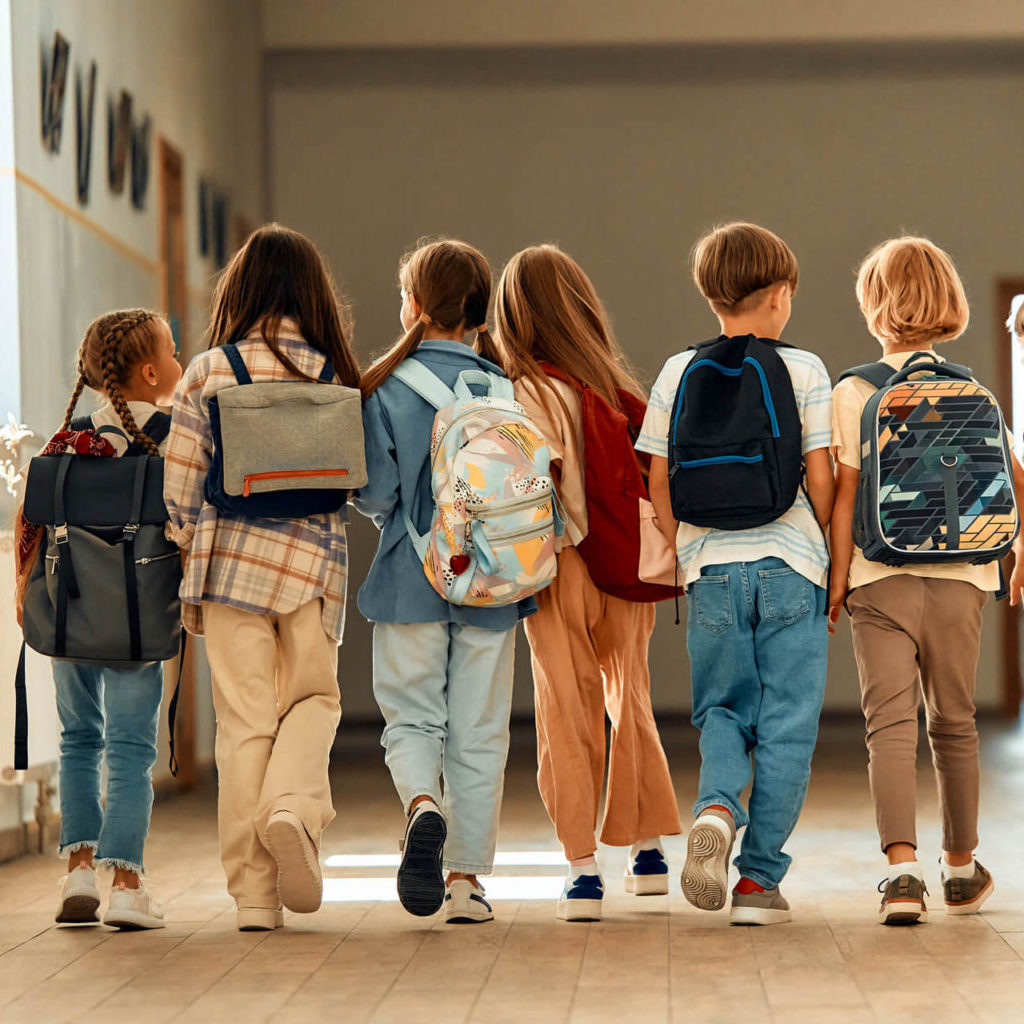
A Comprehensive Guide for a perfect Toddler Lunch Box

If you’ve ever opened your toddler’s lunchbox at the end of the day and found it almost untouched, you’re not alone. For most parents, packing a toddler's lunchbox isn’t about creativity or nutrition charts; it’s about quiet hope. Hope that they’ll eat something. Hope it won’t spill. Hope it survives the heat, the schoolbag toss, and tiny, impatient hands.
Lunch packaging can feel extremely stressful, especially when toddlers are new to nursery or preschool. That’s why this guide isn’t about Instagram-perfect meals. It’s about building a lunchbox system that works in real life, on busy mornings, for picky eaters, and for parents who are already doing their best.
Before we talk about food ideas, it helps to reset expectations and understand what 'perfect' actually means at this age.
What Does a Perfect Toddler Lunchbox Really Mean?
A perfect toddler lunchbox is not the one that comes back empty every day. It’s the one that supports your child without pressure.
At the toddler stage, eating is unpredictable. One day they love fruit; the next day they reject it completely. Appetite changes with growth spurts, naps, and mood.
A perfect lunchbox:
- Feels familiar and safe to the child
- It is easy for small hands to manage
- Offers variety without overwhelming
-
Keeps food fresh until eating time
If your toddler eats half of it and comes home happy, that’s a win.
Toddler Lunch Box Essentials: What You Need Before the Food
Before focusing on what goes inside the lunchbox, it’s important to get the basics right.
A toddler-friendly setup includes:
- A proper lunchbox that’s easy to open
- A small snack box for finger foods
- Insulated lunch bags to handle warm weather
- A school bag that fits the lunch box upright
Many food struggles come down to containers. If the lid is too tight or food spills inside the school bag, toddlers lose interest quickly. Testing everything at home before school starts saves a lot of frustration later.
Building a Balanced Toddler Lunchbox: A Simple Formula
You don’t need complicated meal plans. A simple structure works better for both parents and children.
A balanced toddler lunchbox usually includes:
- One main item (soft rice, pasta, roti roll, sandwich)
- One fruit or vegetable (cut safely)
- One familiar comfort food
- One small snack item
Portions matter more than variety. Too much food can feel overwhelming, especially for toddlers still learning to eat independently.
In hot climates, stick to foods that stay fresh longer or use insulated lunch bags to keep things cool until mealtime.
Picky Eaters: How to Make the Lunch Box More Appealing
Picky eating is common and normal at this age. Most toddlers aren’t being difficult; they’re learning control and preference.
What often helps:
- Keeping at least one safe food every day
- Repeating foods instead of changing everything
- Using colour instead of forcing variety
- Cutting food into familiar shapes
Avoid turning the lunch box into a negotiation tool. Toddlers eat better when there’s less pressure attached to food.
The Best Lunch Box for Toddlers: How to Choose the Perfect One
The right lunchbox can make or break the entire routine. This choice deserves more thought than it usually gets.
1. Size and Capacity
A toddler lunchbox should be small enough to manage but large enough to separate foods properly. Overfilled boxes often come back untouched.
2. Insulation
In warmer weather, insulation isn’t optional. Insulated lunch bags help keep food safe from heat during travel and storage.
3. Durability
Toddlers drop things. A lot. Choose lunch boxes that survive daily use inside a school bag without cracking or leaking.
4. Compartments and Dividers
Separate sections keep food from mixing and make meals visually clearer for toddlers. This often increases how much they eat.
5. Leak-Proof Design
Spills can ruin not just lunch but mood. Leak-proof containers keep food and school bags clean.
6. Easy to Use
Always test if your toddler can open and close the box independently. If they need help, they might not eat.
7. Style and Design
Familiar colours or simple designs can make a lunchbox feel more inviting without distracting from the food.
FAQs
Q1. How much food should I pack in a toddler's lunchbox?
A. Small portions work best. You can always add snacks later if needed.
Q2. What if my toddler doesn’t eat at school?
A. It’s common during transitions. Focus on familiarity and give it time.
Q3. Are insulated lunch bags necessary?
A. Yes, especially in warm climates. They help keep food safe and fresh.
Q4. How do I handle nut-free school policies?
A. Use alternatives like seed spreads or dairy-based snacks instead.
Q5. Can toddlers manage their own lunchboxes?
A. With the right design, most toddlers can learn quickly and feel proud doing so.
Conclusion
Packing a toddler's lunchbox is less about food perfection and more about building trust. Trust that your child will eat when they’re ready and that your system supports them gently. Over time, small routines create familiarity, and familiarity builds confidence both for you and your toddler.
At Laadlee, we understand the everyday realities of parenting. That’s why our range of thoughtfully chosen baby products is designed for early mornings and quick routines. When the basics work well, everything else feels a little lighter, including lunch time.